
Doha
DOHA, high rise – NICKEL SULPHIDE FAILURE ANALYSIS
Project Overview
Location: Doha, Qatar
Date of Incident: 8 August 2024
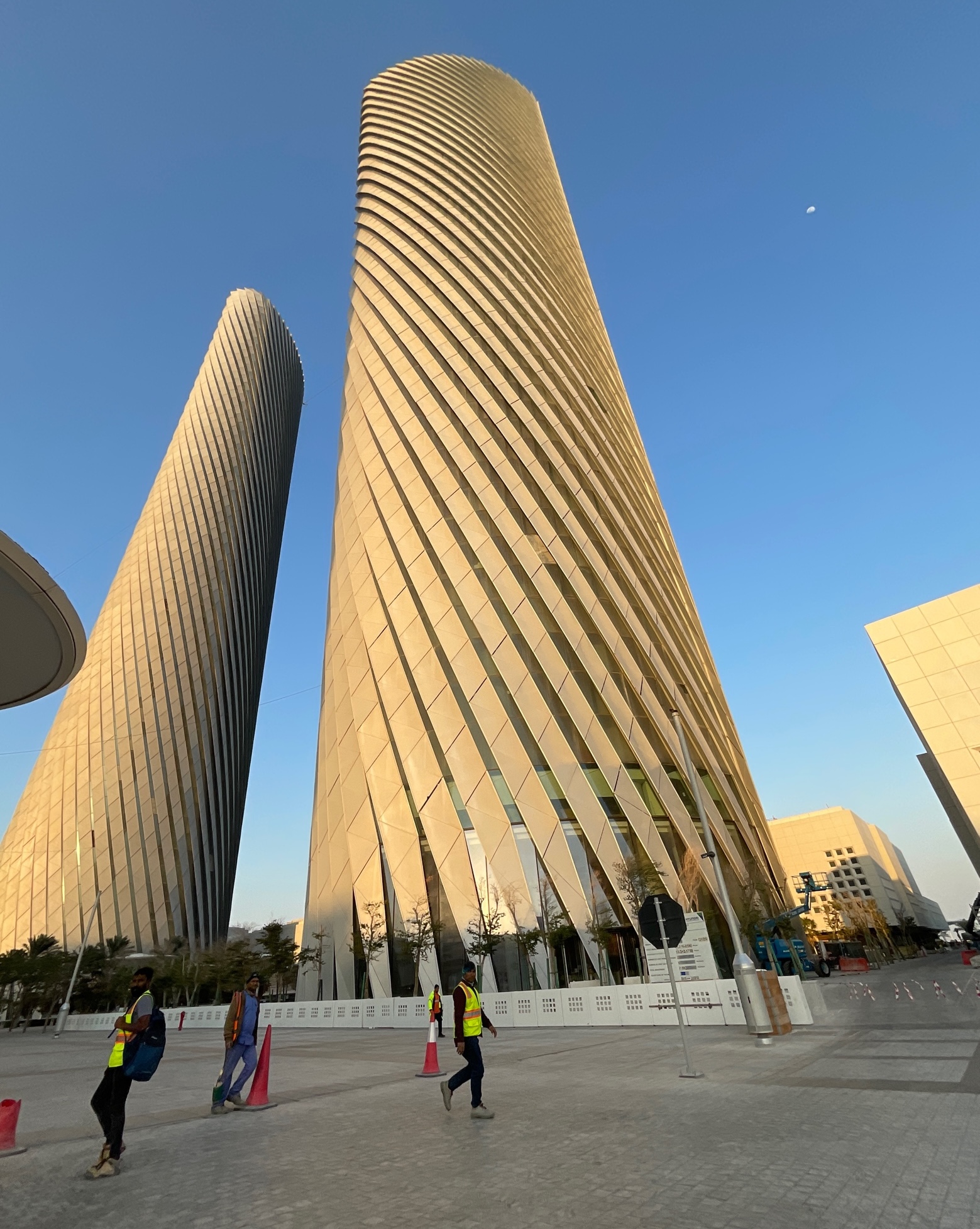
In August 2024, a spontaneous glass breakage occurred within the façade of High Rise Tower in Doha. The failure involved a fully tempered glass panel installed as part of the tower’s curtain wall system.
Although only one panel failed, the height, exposure conditions, and scale of the installation meant the incident required immediate technical review.
The Challenge
The breakage occurred approximately 18 months after installation. The affected panel was one of 96 installed façade units, comprising:
- 90 units at approximately 11 metres in height
-6 units at approximately 7 metres in height
The failed unit had been exposed to high ambient temperatures and sustained solar radiation, which are normal operating conditions for high-rise glazing in Qatar.
Following the incident, the client’s primary concerns were:
- Whether the failure was caused by nickel sulphide inclusion
- Whether other panels from the same batch were at risk
- Whether the issue indicated a wider manufacturing defect
- Whether full replacement of the remaining 95 panels was necessary
Given previous industry cases involving nickel sulphide-related failures, the possibility of additional spontaneous breakages could not be dismissed without investigation.
The commercial implications of a full façade replacement were significant. Removal, procurement, reinstallation, access systems, and programme delays would represent a substantial financial and operational burden.
Initial Response
The Glass Company was appointed to conduct an independent forensic site assessment.
The scope of our appointment was to:
- Determine the root cause of the failure
- Assess whether the issue was isolated or systemic
- Evaluate the probability of further spontaneous breakage
- Provide clear, defensible recommendations to support decision-making
The objective was straightforward: establish the facts before any large-scale replacement decision was taken.
After this it remain the same and we should add photos in this page, you suggest the best place
OUR INVESTIGATION
PHASE 1
Visual and Physical Examination
During the on-site inspection, we observed:
- Breakage Pattern: The panel exhibited characteristic "eight-butterfly" fracture patterns originating from a single point source in the main area of the glass (not at the edges)
-Fragment Size: Glass was fractured into small pieces consistent with fully tempered safety glass fragmentation standards
-No External Impact: The visible edges showed no evidence of mechanical impact, abrasion, or external damage
- Edge Condition: The structural silicone bonds at both long edges were consistent and undamaged, ruling out installation-related stress
PHASE 2
Technical Analysis – Nickel Sulphide Identification
The "eight-butterfly" pattern observed in the fracture is a classic indicator of Nickel Sulphide (NiS) inclusion failure. Here's why:
What Happened:
- Manufacturing: During glass production, microscopic nickel sulphide crystalline inclusions may become embedded within the glass matrix
- Tempering: When the glass was heated to ~650°C during the tempering process and then rapidly cooled, NiS inclusions became trapped in their high-temperature alpha (α) phase
- Phase Transformation: Over 18-24 months, the inclusions gradually transformed to their lower-temperature beta (β) phase
- Stress Generation: This transformation increased the volume of the NiS crystal, generating localized stress
- Breakage: When stress exceeded the tensile strength of the glass, fracture initiated at the inclusion point and propagated outward, creating the characteristic "butterfly" pattern
PHASE 3
Heat Soak Testing (HST) Evaluation
Our examination confirmed that:
- All panels, including the broken one, had undergone Heat Soak Testing (HST) to EN 14179-1 standards
- HST involves heating glass to 290°C (±10°C) for 2-6 hours, accelerating NiS phase transformation in a controlled environment
- Why Did HST Not Prevent This Failure? HST is highly effective (95-98.5% detection rate) but not 100% effective because:
- Some NiS inclusions are too small to cause failure even after phase transformation
- Some inclusions may not be in a critical position during HST testing
-HST can only detect inclusions that undergo phase transformation within the test timeframe
PHASE 4
Risk Assessment for Remaining Panels
Based on our analysis:
- Historical Context: The pattern of two failures (one previous to current incident) among 95 panels over approximately 24 months is actually reassuring rather than alarming
- Statistical Analysis: If there were a systematic issue with the HST process or glass quality, we would expect clustered failures within the first 12 months
- Probability of Future Failures: Given that NiS-related failures typically occur within 2-3 years of installation, and only 2 failures have occurred in 24 months, the probability of additional failures in the remaining panels is estimated at:
- 1-2% probability across the entire 95-panel installation over the next 2 years
- This translates to a possible 0-2 additional panels failing (rough statistical estimate)
PHASE 5
Contextual Factors
During the investigation, we noted:
- High Thermal Load: The skylight configuration and direct solar exposure on the affected area created higher thermal loads than typical façade applications
- Double Silver Coating: The presence of reflective coatings on nearby panels can increase temperature absorption and thermal cycling stress
- Two-Year Timeline: The 18-24 month interval aligns with typical NiS failure timelines in literature and industry experience
RECOMMENDATIONS
ACCEPTANCE OF RISK PROFILE
The current risk profile is acceptable for a building envelope. The probability of NiS-related failures is sufficiently low that catastrophic replacement is not justified.
MONITORING PROGRAM
Implement a periodic monitoring protocol (quarterly visual inspections) for any signs of stress or visible NiS inclusion indicators (brown discoloration or faint markings).
DOCUMENTATION REVIEW
Obtain and archive HST documentation from the glass processor, including chamber calibration records, temperature profiles, and failure logs during testing.
SUPPLY CHAIN ANALYSIS
Conduct traceability analysis on raw material batches to determine if specific float suppliers had known quality issues.
MAINTENANCE PLANNING
Budget for potential replacement of 1-2 panels over the next 2 years based on statistical probability.
FUTURE PROJECTS
For projects with similar specifications, consider specifying enhanced HST protocols (longer holding times, 6+ hours) or requesting statistical data on NiS failure rates from the processor.
PROJECT OUTCOME
The client accepted the risk assessment and proceeded with monitoring rather than full replacement. This decision alone saved approximately £250,000-500,000 in unnecessary replacement costs while maintaining appropriate safety protocols.